Precision DNA tools for a changing agricultural landscape
Meeting future food demands will require more than conventional approaches. Twist enables scientists to address climate, pathogen, and yield challenges with high-throughput NGS and synthetic biology tools built for research into AgBio and animal health.
Crop and Livestock Improvement
Traditional breeding for trait selection can be a time-intensive process. With next generation sequencing (NGS), the discovery of genes and mutations linked to key traits can be shortened from years to just a few hours. Precision breeding can then be achieved by screening individuals within larger populations for these genes.
Trait discovery and selection are also advancing through in vitro screening. Many researchers are leveraging AI-driven models to predict the impact of sequence variants on organisms. To validate results, CRISPR, reporter assays, and cell-based screens are being used - highly accurate synthesized oligonucleotides are critical for this step.

Sustainability and Environmental Resilience
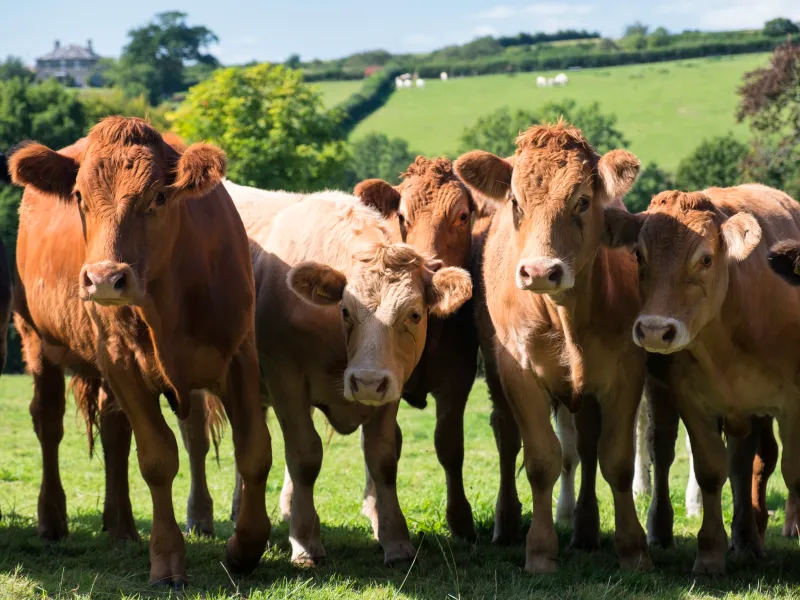
What enables some plants and animals to survive extreme temperatures, drought, salinity, or pest pressure? The answers lie in both their genomes and their environments.
NGS can be used to identify genes that improve environmental resilience in crops and livestock. Analysis of soil microbiomes can identify genes that can enhance soil fertility and plant health. Synthetic biology tools can then take those genes and engineer microbes that fix nitrogen more efficiently, sequester more carbon, and grow in adverse conditions.
Disease Detection and Food Security
Rapid detection and surveillance of plant and animal pathogens is critical to prevent disease spread, maintain a steady food supply and prevent economic loss for producers. NGS can rapidly identify multiple pathogens from the same sample.
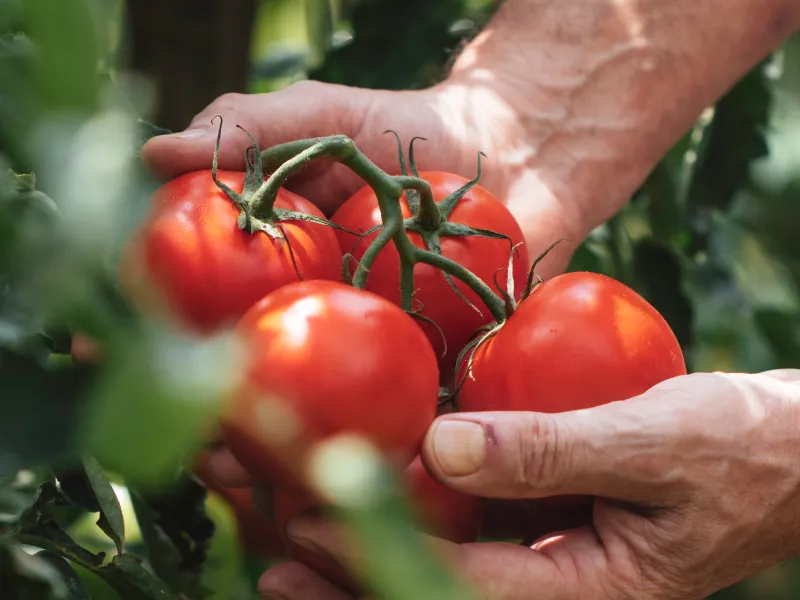
Bioengineering can also ensure food security by enhancing crops to have higher nutritional content, a longer shelf-life, or reduced food allergens.
Precision DNA tools for a changing agricultural landscape
Meeting future food demands will require more than conventional approaches. Twist enables scientists to address climate, pathogen, and yield challenges with high-throughput NGS and synthetic biology tools built for research into AgBio and animal health.
Crop and Livestock Improvement
Traditional breeding for trait selection can be a time-intensive process. With next generation sequencing (NGS), the discovery of genes and mutations linked to key traits can be shortened from years to just a few hours. Precision breeding can then be achieved by screening individuals within larger populations for these genes.
Trait discovery and selection are also advancing through in vitro screening. Many researchers are leveraging AI-driven models to predict the impact of sequence variants on organisms. To validate results, CRISPR, reporter assays, and cell-based screens are being used - highly accurate synthesized oligonucleotides are critical for this step.
Sustainability and Environmental Resilience
What enables some plants and animals to survive extreme temperatures, drought, salinity, or pest pressure? The answers lie in both their genomes and their environments.
NGS can be used to identify genes that improve environmental resilience in crops and livestock. Analysis of soil microbiomes can identify genes that can enhance soil fertility and plant health. Synthetic biology tools can then take those genes and engineer microbes that fix nitrogen more efficiently, sequester more carbon, and grow in adverse conditions.
Disease Detection and Food Security
Rapid detection and surveillance of plant and animal pathogens is critical to prevent disease spread, maintain a steady food supply and prevent economic loss for producers. NGS can rapidly identify multiple pathogens from the same sample.
Bioengineering can also ensure food security by enhancing crops to have higher nutritional content, a longer shelf-life, or reduced food allergens.
Key Methods in AgBio Research
Learn the fundamental techniques powering modern Agricultural Biotechnology
-

Crop and Livestock Improvement
Accelerating trait discovery and precision breeding.
-

Sustainability and Environmental Resilience
Uncovering resilience traits through genomics and engineered microbes.
-

Disease Detection and Food Security
Safeguarding food supplies via rapid detection and engineered traits.
Compare individual samples to identify traits that can improve or harm crops and livestock. Screen the entire genome to uncover potential genes of interest. Use custom panels to screen for specific genes within the population.
The data from your library screening is only as good as the accuracy of the genes used to build it. Whether you are screening hundreds, thousands, or tens of thousands of genes in CRIPSR, reporter or other assays, we offer many affordable synthetic DNA choices and formats.
Use next-generation metagenomic sequencing to analyze and compare soil microbial populations - helpful in identifying genes that enhance soil fertility and plant health.
CRISPR is a popular technique for microbial engineering. Use oligo pools and cloned oligo pools for optimization of gRNA sequences. Synthesize clonal genes built to encode gRNA expression cassettes or knock-in templates.
NGS can help identify genes that confer resistance to drought, salinity, and extreme temperatures, while SynBio can enable the engineering of crops that sequester more carbon or grow in degraded soils.
NGS rapidly identifies plant and animal pathogens, enabling early disease detection, preventing spread. Multiple pathogens and variants can be identified from the same low-input sample.
Synthetic biology tools can be used for CRISPR screens to enhance crops with higher nutritional content, like golden rice enriched with vitamin A, and to reduce allergens in foods.
Key Methods in AgBio Research
Learn the fundamental techniques powering modern Agricultural Biotechnology
-
Crop and Livestock Improvement
Accelerating trait discovery and precision breeding.
-
Sustainability and Environmental Resilience
Uncovering resilience traits through genomics and engineered microbes.
-
Disease Detection and Food Security
Safeguarding food supplies via rapid detection and engineered traits.
Compare individual samples to identify traits that can improve or harm crops and livestock. Screen the entire genome to uncover potential genes of interest. Use custom panels to screen for specific genes within the population.
The data from your library screening is only as good as the accuracy of the genes used to build it. Whether you are screening hundreds, thousands, or tens of thousands of genes in CRIPSR, reporter or other assays, we offer many affordable synthetic DNA choices and formats.
Use next-generation metagenomic sequencing to analyze and compare soil microbial populations - helpful in identifying genes that enhance soil fertility and plant health.
CRISPR is a popular technique for microbial engineering. Use oligo pools and cloned oligo pools for optimization of gRNA sequences. Synthesize clonal genes built to encode gRNA expression cassettes or knock-in templates.
NGS can help identify genes that confer resistance to drought, salinity, and extreme temperatures, while SynBio can enable the engineering of crops that sequester more carbon or grow in degraded soils.
NGS rapidly identifies plant and animal pathogens, enabling early disease detection, preventing spread. Multiple pathogens and variants can be identified from the same low-input sample.
Synthetic biology tools can be used for CRISPR screens to enhance crops with higher nutritional content, like golden rice enriched with vitamin A, and to reduce allergens in foods.

Twist products are for research use only. Results are specific to the institution where they were obtained and may not reflect the results achievable at other institutions.
What Scientists Have to Say
Trait Identification using Twist FlexPrep UHT Library Prep
Trait Engineering using Twist Oligo Pools
Twist NGS Kits for Genotyping Chicken Samples
So in four years…we identified a solution, and we put in a new [peanut] variety and we’re getting that out to the growers. So really a magnificent achievement that only is possible because you have this ability to scale genome-wide variation, to scale that WGS, and FlexPrep is really a big part of this.
Josh Clevenger PhD, Faculty Investigator, HudsonAlpha Institute for Biotechnology
Results are specific to the institution where they were obtained and may not reflect the results achievable at other institutions.
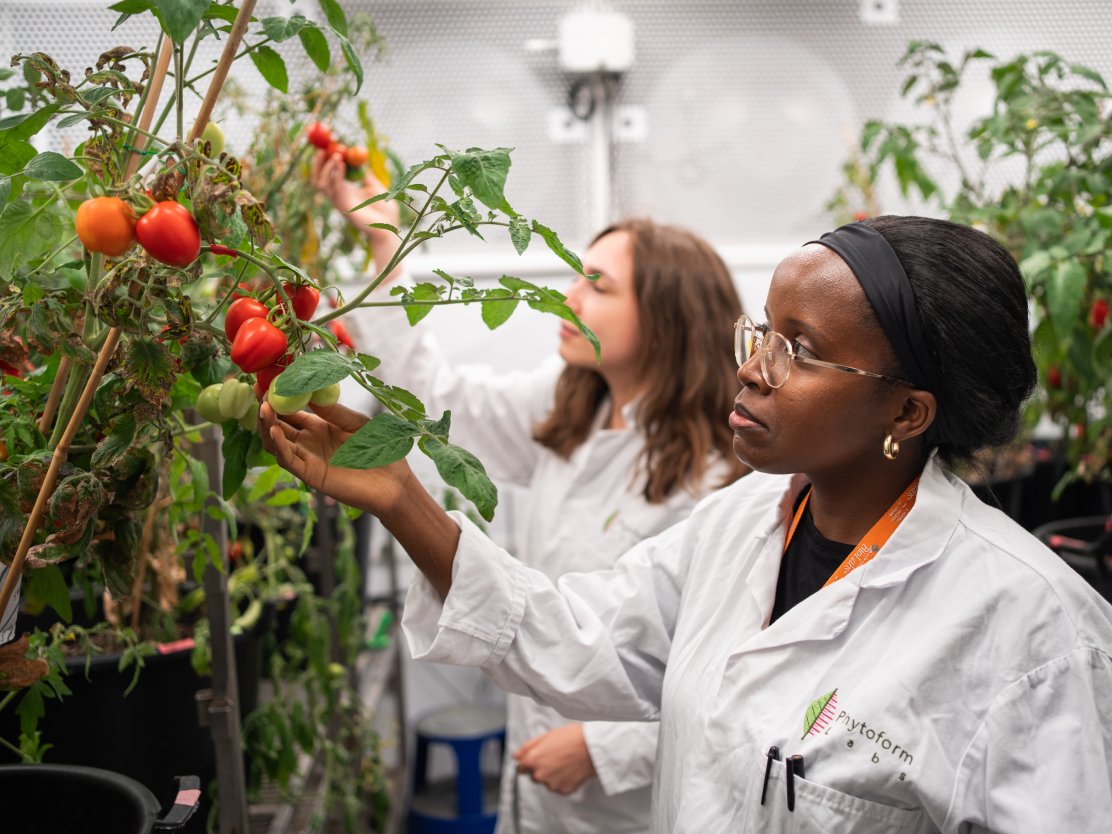
Out of all the solutions we have tried, Twist’s oligos are the most faithful to our designs. We absolutely need this fidelity when we’re validating AI outputs.
Colleen Drapek, PhD, Lead R&D Scientist, Trait Discovery, Phytoform Labs
Results are specific to the institution where they were obtained and may not reflect the results achievable at other institutions.
The beauty of using these kits is that they are species independent. You don’t need a SNP chip designed by somebody else. You don’t need to make prior assumptions.
Douglas Rhoads PhD, University Professor of Biological Sciences, University of Arkansas (UA)
Disclaimer: Results are specific to the institution where they were obtained and may not reflect the results achievable at other institutions.
We’re Here To Help
Every study is unique, and finding the right tools for the job can be tough. Don’t settle for an imperfect solution.
Our experts will help you find the best path forward and advance your studies.
Twist products are for research use only. Results are specific to the institution where they were obtained and may not reflect the results achievable at other institutions.
What Scientists Have to Say
Trait Identification using Twist FlexPrep UHT Library Prep
Trait Engineering using Twist Oligo Pools
Twist NGS Kits for Genotyping Chicken Samples
So in four years…we identified a solution, and we put in a new [peanut] variety and we’re getting that out to the growers. So really a magnificent achievement that only is possible because you have this ability to scale genome-wide variation, to scale that WGS, and FlexPrep is really a big part of this.
Josh Clevenger PhD, Faculty Investigator, HudsonAlpha Institute for Biotechnology
Results are specific to the institution where they were obtained and may not reflect the results achievable at other institutions.
Out of all the solutions we have tried, Twist’s oligos are the most faithful to our designs. We absolutely need this fidelity when we’re validating AI outputs.
Colleen Drapek, PhD, Lead R&D Scientist, Trait Discovery, Phytoform Labs
Results are specific to the institution where they were obtained and may not reflect the results achievable at other institutions.
The beauty of using these kits is that they are species independent. You don’t need a SNP chip designed by somebody else. You don’t need to make prior assumptions.
Douglas Rhoads PhD, University Professor of Biological Sciences, University of Arkansas (UA)
Disclaimer: Results are specific to the institution where they were obtained and may not reflect the results achievable at other institutions.
We’re Here To Help
Every study is unique, and finding the right tools for the job can be tough. Don’t settle for an imperfect solution.
Our experts will help you find the best path forward and advance your studies.
FOR RESEARCH USE ONLY. NOT FOR USE IN DIAGNOSTIC PROCEDURES
Get in Touch With Us
Our AgBio experts would love to learn about your sequencing or synthetic biology needs. Complex genomes and custom designs encouraged!
FOR RESEARCH USE ONLY. NOT FOR USE IN DIAGNOSTIC PROCEDURES
Get in Touch With Us
Our AgBio experts would love to learn about your sequencing or synthetic biology needs. Complex genomes and custom designs encouraged!
