



 Genes
Genes Oligo Pools
 NGS
NGS Variant Libraries
 Synthetic Controls
 Antibody Discovery
 IVDR Solutions


 Webinar

Twist Bioscience HQ
681 Gateway Blvd
South San Francisco, CA 94080
How the Baker Lab used Multiplexed Gene Fragments and AI guided design to discover novel antibody binders

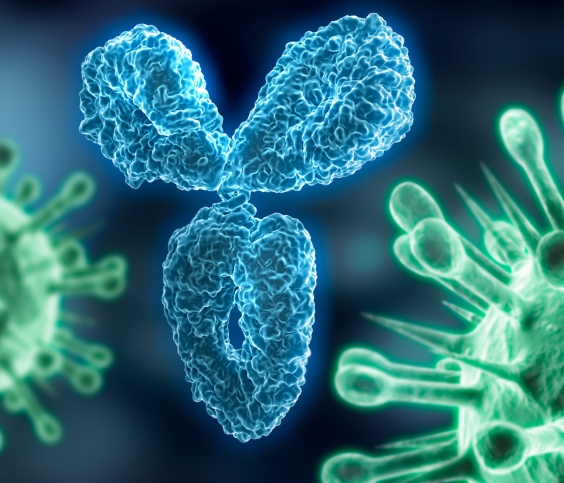
Researchers must navigate a vast protein sequence space to identify optimal antibody designs. Traditional methods for doing so can be both costly and inefficient, requiring the iterative testing of tens to hundreds of thousands of variants. This research showcase highlights a recent study by a research team at the University of Washington, led by Nobel Laureate David Baker, that is a pivotal step toward scalable AI-driven biologics development. The study leveraged artificial intelligence, Multiplexed Gene Fragments, and de novo protein design software to rationally design and validate new variable heavy-chain domain antibodies against disease relevant targets.
Covered in this Application Note
How researchers developed and utilized an RFdiffusion model to create completely novel VHHs
How the team could computationally design an entire screening library and directly synthesize every candidate
Share your details to Get the Application Note