

 Genes
Genes Oligo Pools
 NGS
NGS Variant Libraries
 Synthetic Controls
 Antibody Discovery
 IVDR Solutions



 Webinar

Twist Bioscience HQ
681 Gateway Blvd
South San Francisco, CA 94080
Increasing the Precision of Precision Medicine for Children with High-risk Cancer
Increasing the Precision of Precision Medicine for Children with High-risk Cancer
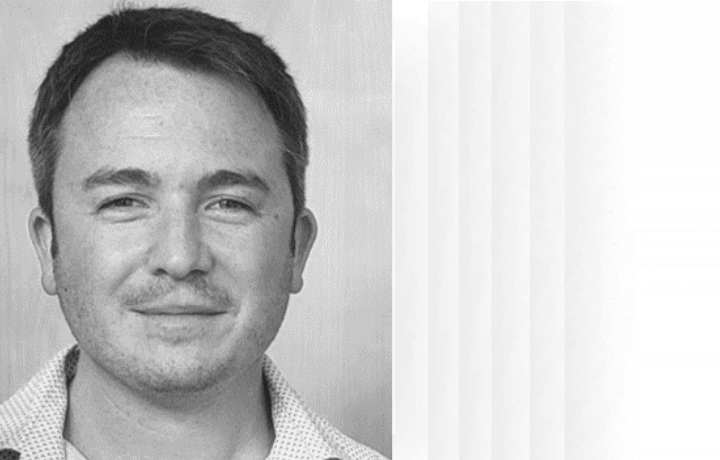
Presented by

Mark Cowley
Children's Cancer Institute
RECORDED AT Writing the Future Asia Pacific
Covered in this Webinar
How precision medicine can offer a promising opportunity to substantially improve childhood cancer outcomes
Discussion of findings from Australia's national ZERO Childhood Cancer program
Deep WGS, RNA-Seq, & methylome profiling in real-time to provide targeted treatment recommendations
Establishment of the ACRF Childhood Cancer Liquid Biopsy Program
Childhood cancer remains the leading cause of disease-related death in Australia, with ~1000 new diagnoses per annum. Precision medicine offers a promising opportunity to substantially improve patient outcomes, though the molecular characterisation of inherited, and somatically acquired genetic changes or perturbed epigenetic and transcriptional phenotypes. This information can guide treatment recommendations, change patient diagnosis, and inform family cancer risk. In Australia, the Children’s Cancer Institute and the Kid’s Cancer Centre are leading the national ZERO Childhood Cancer program, which has recruited >450 patients aged mostly 0-21, with high-risk or rare cancers since 2015. ZERO, supported by the Lions Kids Cancer Genome Project (2015-2020), uses deep whole genome (WGS) and transcriptome sequencing (RNA-Seq), and methylome profiling in real-time to provide targeted treatment recommendations for patients. The interim findings from this research program were published in Nature Medicine in late 2020 (PMID: 33020650). Briefly, using a combination of these molecular profiling platforms, we identified a treatment target in over 70% of patients, of the patients who received the recommended treatment 71% showed a clinical benefit, including 11% with a complete pathological response. Further, we changed the diagnosis of 5% of patients and identified an important cancer predisposition allele in 16% of patients. On the basis of these promising results, the Zero Program is expanding, such that ultimately all Australian children with cancer by 2024 will be eligible for a comprehensive precision medicine intervention. More recently, we have established the ACRF Childhood Cancer Liquid Biopsy Program, with the goal of developing a suite of minimally invasive approaches to diagnose and monitor patients throughout their cancer journey. In this presentation we describe how this unique combination of molecular profiling and analytical platforms is being used to increase the precision of precision medicine.
Share your details to Watch the Webinar