



 Genes
Genes Oligo Pools
 NGS
NGS Variant Libraries
 Synthetic Controls
 Antibody Discovery
 IVDR Solutions





Twist Bioscience HQ
681 Gateway Blvd
South San Francisco, CA 94080
Twist 96-Plex LP Kit
Close
- Is it feasible to prepare less than 96 samples at once?
- What sequencer should I use with this kit?
- What is the shelf life of this kit?
- Is it possible to have only one plate of samples in a sequencing run?
- What sequences should we use for adaptor trimming of 96-Plex libraries?
- Can I order the individual components of the kit?
- How does the kit adapt to samples with varying GC content?
- Are unique dual indexes available with the kit?
- Do you have any recommendations for loading concentrations?
- What do you recommend as the demux tool?
- How do I order a kit?
- Are there additional consumables and tools that the customer must supply?
- What are the kit sizes?
- Can 96-Plex libraries be pooled for sequencing with dual indexed libraries?
- What are the recommendations for DNA input, quality and quantity?
- What protocols are available?
- Are there any considerations for using patterned flowcells?
Is it feasible to prepare less than 96 samples at once?
The kit is configured to handle up to 96 samples in each batch. Empty wells in the “A” plate cannot be saved for a later batch, so incomplete filling of the plate would decrease your cost effectiveness.
If you would like to process less than 96 samples at a time, we recommend filling the remainder of the plate with sample replicates, which would offer even greater confidence in sequencing results.
Still have questions? Contact Us
What sequencer should I use with this kit?
The kit is compatible with Illumina platforms. It prepares double stranded libraries with full length Illumina adapters, intended for single or paired end sequencing. At this time, the final libraries are not compatible for use with other sequencing technology.
Still have questions? Contact Us
What is the shelf life of this kit?
Our 96-Plex kits have a one year expiration from the time of manufacture.
Still have questions? Contact Us
Is it possible to have only one plate of samples in a sequencing run?
Yes. In this case, the 6 nucleotide Illumina small RNA TruSeq i7 index, which identifies the plate, should not be read. Either do not perform an indexing read or use the “--use-bases-mask” option to ignore the 6nt index read. This should result in a single set of FASTQs for the whole sequencing run. See the demux guide for more information.
Still have questions? Contact Us
What sequences should we use for adaptor trimming of 96-Plex libraries?
The TruSeq adapter sequences should be used for adapter trimming during Illumina bcl2fastq2/bclconvert plate-level demultiplexing. The fgbio demux tool will enable you to trim the inline barcode on R1 and the synthetic randomers on reads during sample-level demultiplexing.
Still have questions? Contact Us
Can I order the individual components of the kit?
At this time, individual boxes and components are not available for purchase.
Still have questions? Contact Us
How does the kit adapt to samples with varying GC content?
The kit contains two primer plates for use during the “A” reaction. The high GC plate has random primers tuned for >50% GC content while the low GC plate has primers tuned for <50% GC content. Users may optimize their workflow using either of these plates, or combining them in a 1:1 ratio for 40-60%GC.
Still have questions? Contact Us
Do you have any recommendations for loading concentrations?
Use the default recommended loading concentration for the sequencing platform you use. The molarity should be determined using the range analysis of the main target peak from the Agilent Bioanalyzer. Dilute based on that quantification, not the mode peak size or default molarity estimation.
Still have questions? Contact Us
What do you recommend as the demux tool?
Demultiplexing Twist 96-Plex libraries differs from the standard process. The individual sample barcodes are in line as a part of R1, instead of in the standard i5 location. Because of this, Illumina’s bcl2fastq2 and BCLconvert tools do not recognize the individual sample barcode and instead combine all wells together into a single plate-level FASTQ file during demultiplexing, based on the single i7 index.
To address this, 96-Plex users must follow a two step demux process. First, the per-cycle BCL files must be converted into a plate-level FASTQ, and then followed by a second conversion of the plate-level FASTQ files into sample-specific FASTQ files. We recommend using the fgbio DemuxFastqs open source software to produce per-sample FASTQs. See the demultiplexing guide on the Twist website for more information.
Still have questions? Contact Us
How do I order a kit?
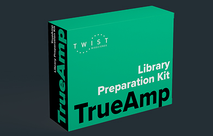
The Twist 96-Plex Library Preparation Kit can be found on Twist’s eCommerce site. In the SARS application, search for either 104951 or 104950; this will bring up the Twist 96-Plex Library Preparation Kit, 4x96 samples ($4,300) or 10x96 samples ($9,600).
Still have questions? Contact Us
Are there additional consumables and tools that the customer must supply?
The kit provides all necessary reagents for preparing up to 960 sequencer-ready libraries; however, customers will need to provide common laboratory equipment and reagents such as pipette tips, a magnetic stand, and EDTA. A complete list is available in the protocol.
The customer is also responsible for providing computational resources for demultiplexing. Twist provides a guide for performing sample demultiplexing.
Still have questions? Contact Us
What are the kit sizes?
We offer two kit size configurations.
The first is sufficient for up to 960 samples; the kit contains enough reactions for ten 96 well plates. The kit does not need to be used all at one time, though it is recommended to use a minimum of one plate per sequencing run.
Our newest configuration is a 4x96 configuration kit that can do 384 samples. This kit offers the same workflow and per-sample cost benefits as the 10x96 kit, but provides a lower overall price and sample volume that may be more suitable for new customers looking to try out the product or for customers with discrete projects involving less than 960 samples.
You can find more product information on the Twist website, including links to the product sheet, protocol, and demultiplexing guide.
Still have questions? Contact Us
Can 96-Plex libraries be pooled for sequencing with dual indexed libraries?
Yes, but the demultiplexing must be done independently, one for each library type. See the demultiplexing guide for specific instructions.
Still have questions? Contact Us
What are the recommendations for DNA input, quality and quantity?
The recommended input amount is 50ng which should produce about 200ng of final library. This output will vary based on the bead size selection conditions used. High molecular weight DNA is recommended as input. We recommend avoiding degraded samples, such as FFPE, with this kit.
Still have questions? Contact Us
What protocols are available?
The 96-Plex Library Prep protocol is available on the Twist website.
Still have questions? Contact Us
Are there any considerations for using patterned flowcells?
Since the mechanism for index hopping is tied to adapter swapping, the 96-Plex libraries are unlikely to be affected since they utilize an in-line barcode. In addition, the final bead-based size selection step during library prep should minimize any free adapters in the final library.
Still have questions? Contact Us
Is it feasible to prepare less than 96 samples at once?
The kit is configured to handle up to 96 samples in each batch. Empty wells in the “A” plate cannot be saved for a later batch, so incomplete filling of the plate would decrease your cost effectiveness.
If you would like to process less than 96 samples at a time, we recommend filling the remainder of the plate with sample replicates, which would offer even greater confidence in sequencing results.
Still have questions? Contact Us
What sequencer should I use with this kit?
The kit is compatible with Illumina platforms. It prepares double stranded libraries with full length Illumina adapters, intended for single or paired end sequencing. At this time, the final libraries are not compatible for use with other sequencing technology.
Still have questions? Contact Us
What is the shelf life of this kit?
Our 96-Plex kits have a one year expiration from the time of manufacture.
Still have questions? Contact Us
Is it possible to have only one plate of samples in a sequencing run?
Yes. In this case, the 6 nucleotide Illumina small RNA TruSeq i7 index, which identifies the plate, should not be read. Either do not perform an indexing read or use the “--use-bases-mask” option to ignore the 6nt index read. This should result in a single set of FASTQs for the whole sequencing run. See the demux guide for more information.
Still have questions? Contact Us
What sequences should we use for adaptor trimming of 96-Plex libraries?
The TruSeq adapter sequences should be used for adapter trimming during Illumina bcl2fastq2/bclconvert plate-level demultiplexing. The fgbio demux tool will enable you to trim the inline barcode on R1 and the synthetic randomers on reads during sample-level demultiplexing.
Still have questions? Contact Us
Can I order the individual components of the kit?
At this time, individual boxes and components are not available for purchase.
Still have questions? Contact Us
How does the kit adapt to samples with varying GC content?
The kit contains two primer plates for use during the “A” reaction. The high GC plate has random primers tuned for >50% GC content while the low GC plate has primers tuned for <50% GC content. Users may optimize their workflow using either of these plates, or combining them in a 1:1 ratio for 40-60%GC.
Still have questions? Contact Us
Do you have any recommendations for loading concentrations?
Use the default recommended loading concentration for the sequencing platform you use. The molarity should be determined using the range analysis of the main target peak from the Agilent Bioanalyzer. Dilute based on that quantification, not the mode peak size or default molarity estimation.
Still have questions? Contact Us
What do you recommend as the demux tool?
Demultiplexing Twist 96-Plex libraries differs from the standard process. The individual sample barcodes are in line as a part of R1, instead of in the standard i5 location. Because of this, Illumina’s bcl2fastq2 and BCLconvert tools do not recognize the individual sample barcode and instead combine all wells together into a single plate-level FASTQ file during demultiplexing, based on the single i7 index.
To address this, 96-Plex users must follow a two step demux process. First, the per-cycle BCL files must be converted into a plate-level FASTQ, and then followed by a second conversion of the plate-level FASTQ files into sample-specific FASTQ files. We recommend using the fgbio DemuxFastqs open source software to produce per-sample FASTQs. See the demultiplexing guide on the Twist website for more information.
Still have questions? Contact Us
How do I order a kit?
The Twist 96-Plex Library Preparation Kit can be found on Twist’s eCommerce site. In the SARS application, search for either 104951 or 104950; this will bring up the Twist 96-Plex Library Preparation Kit, 4x96 samples ($4,300) or 10x96 samples ($9,600).
Still have questions? Contact Us
Are there additional consumables and tools that the customer must supply?
The kit provides all necessary reagents for preparing up to 960 sequencer-ready libraries; however, customers will need to provide common laboratory equipment and reagents such as pipette tips, a magnetic stand, and EDTA. A complete list is available in the protocol.
The customer is also responsible for providing computational resources for demultiplexing. Twist provides a guide for performing sample demultiplexing.
Still have questions? Contact Us
What are the kit sizes?
We offer two kit size configurations.
The first is sufficient for up to 960 samples; the kit contains enough reactions for ten 96 well plates. The kit does not need to be used all at one time, though it is recommended to use a minimum of one plate per sequencing run.
Our newest configuration is a 4x96 configuration kit that can do 384 samples. This kit offers the same workflow and per-sample cost benefits as the 10x96 kit, but provides a lower overall price and sample volume that may be more suitable for new customers looking to try out the product or for customers with discrete projects involving less than 960 samples.
You can find more product information on the Twist website, including links to the product sheet, protocol, and demultiplexing guide.
Still have questions? Contact Us
Can 96-Plex libraries be pooled for sequencing with dual indexed libraries?
Yes, but the demultiplexing must be done independently, one for each library type. See the demultiplexing guide for specific instructions.
Still have questions? Contact Us
What are the recommendations for DNA input, quality and quantity?
The recommended input amount is 50ng which should produce about 200ng of final library. This output will vary based on the bead size selection conditions used. High molecular weight DNA is recommended as input. We recommend avoiding degraded samples, such as FFPE, with this kit.
Still have questions? Contact Us
What protocols are available?
The 96-Plex Library Prep protocol is available on the Twist website.
Still have questions? Contact Us
Are there any considerations for using patterned flowcells?
Since the mechanism for index hopping is tied to adapter swapping, the 96-Plex libraries are unlikely to be affected since they utilize an in-line barcode. In addition, the final bead-based size selection step during library prep should minimize any free adapters in the final library.
Still have questions? Contact Us