



 NGS
NGS
 Antibodies
 IVDR Solutions







Twist Bioscience HQ
681 Gateway Blvd
South San Francisco, CA 94080
Technical Documents

Sequence submission and order configuration.

Synthesis, cloning into an antibody vector (from our catalog or we can onboard yours), and NGS verification.

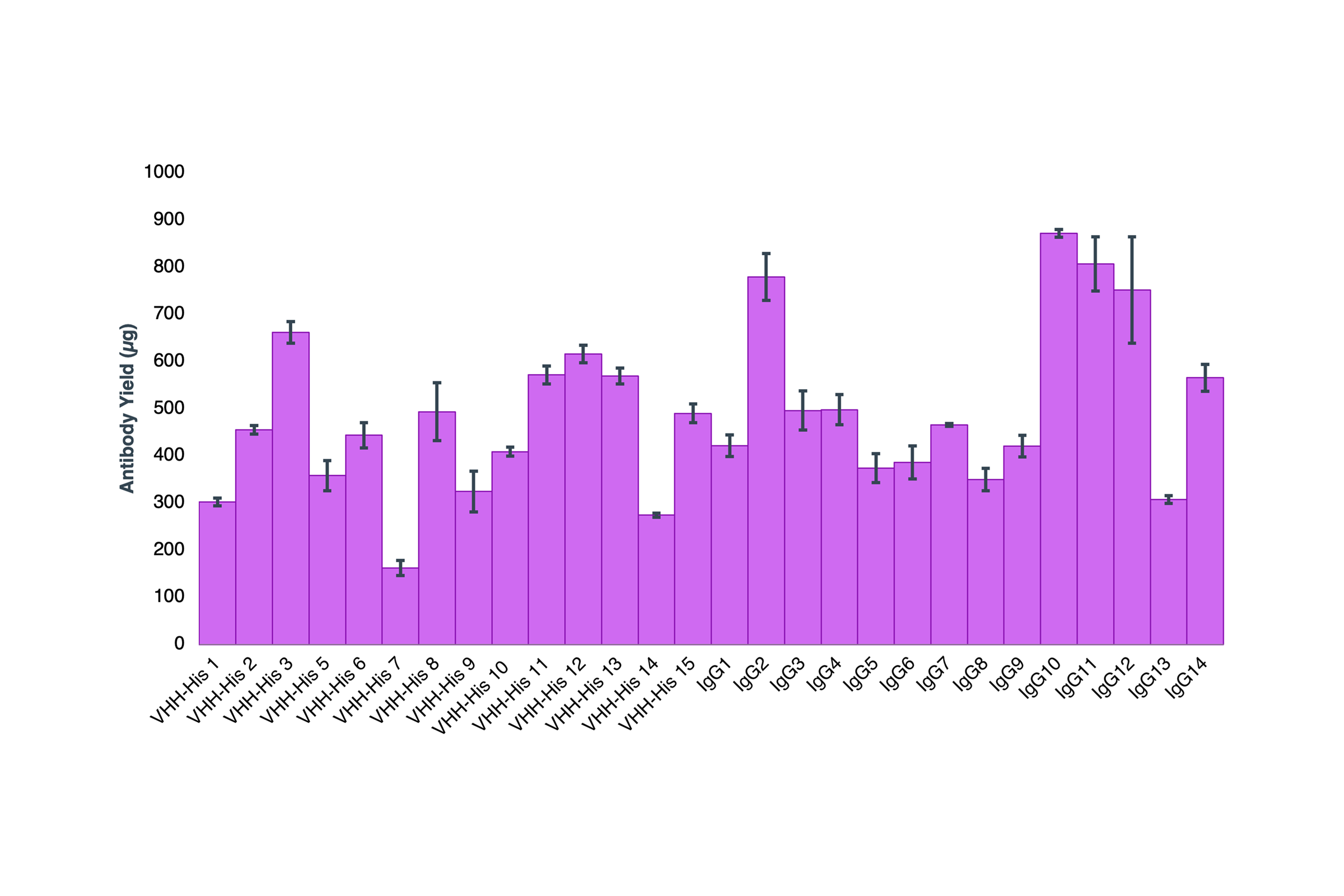
Robust, reproducible protein production. Parallel expression across 96 deep well plates.

Protein A or His-tag batch purification of anitbodies. Purity, size, concentration, and yield data for every antibody.

Optional analytical SEC, endotoxin testing, binding, developability and custom assays available.
Characterization specsReliable expression results you can use as an early indicator of developability.
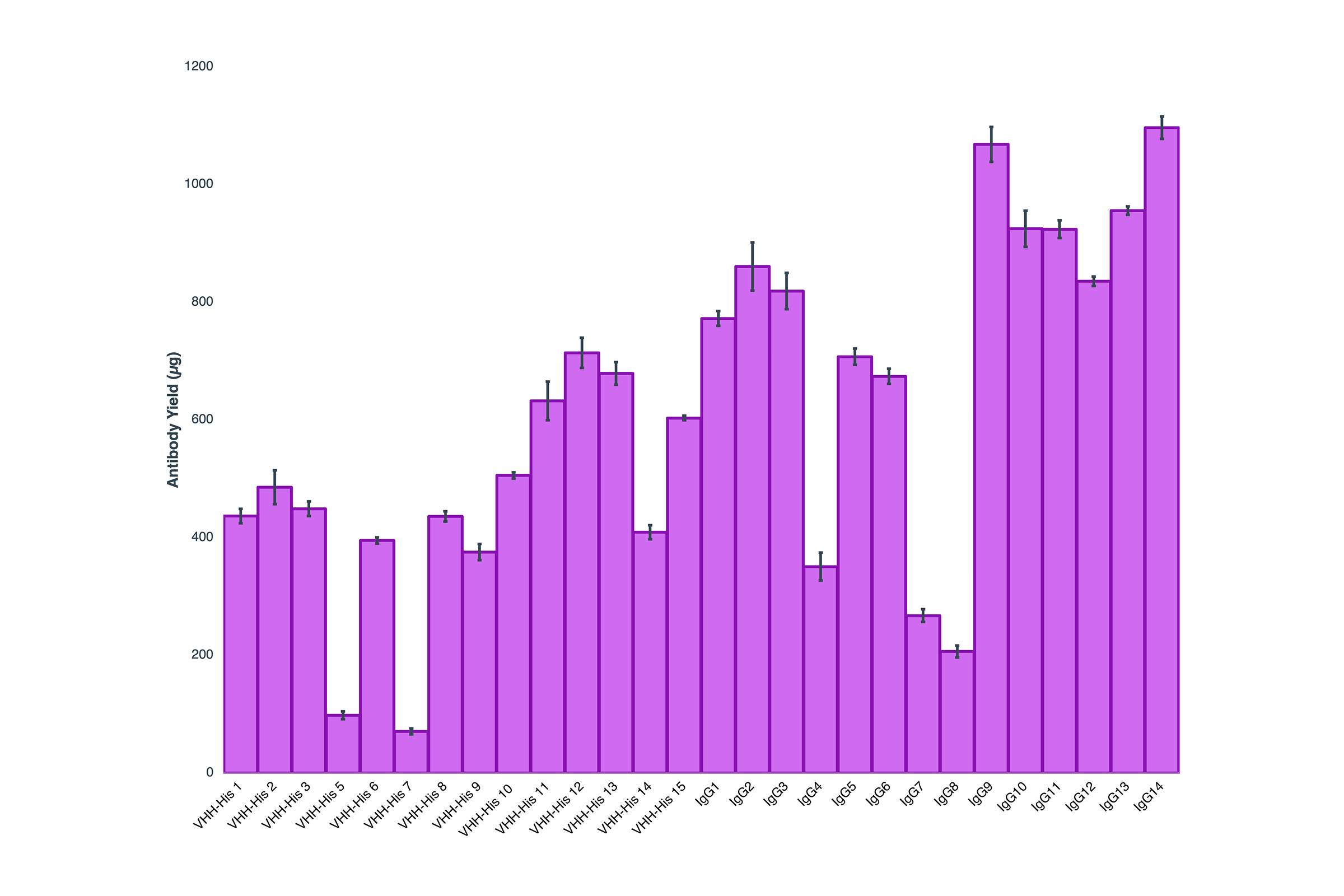

Predictable results whether your antibodies are experimental or clinically validated candidates.
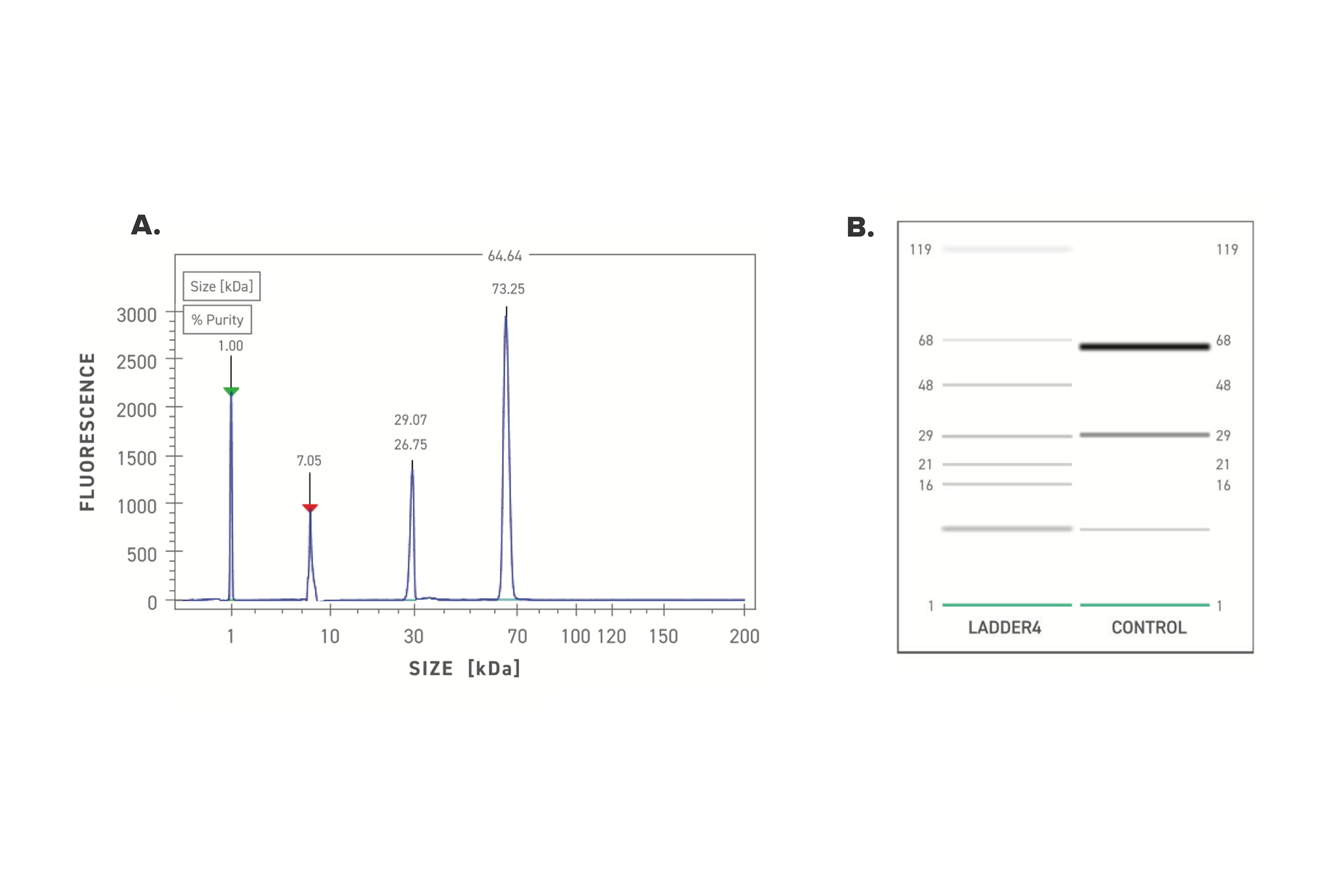
Trust your data from the start. Our antibodies deliver highly reproducible purity across every sample, verified by CE-SDS, so your results are built on a foundation of quality.

Start your design now or speak with an expert to scope your project.

The prices (per sample) and turnaround times shown are in addition to antibody production and
may vary based on volume. Start an order to get a real-time quote for antibodies and/or
characterization data.
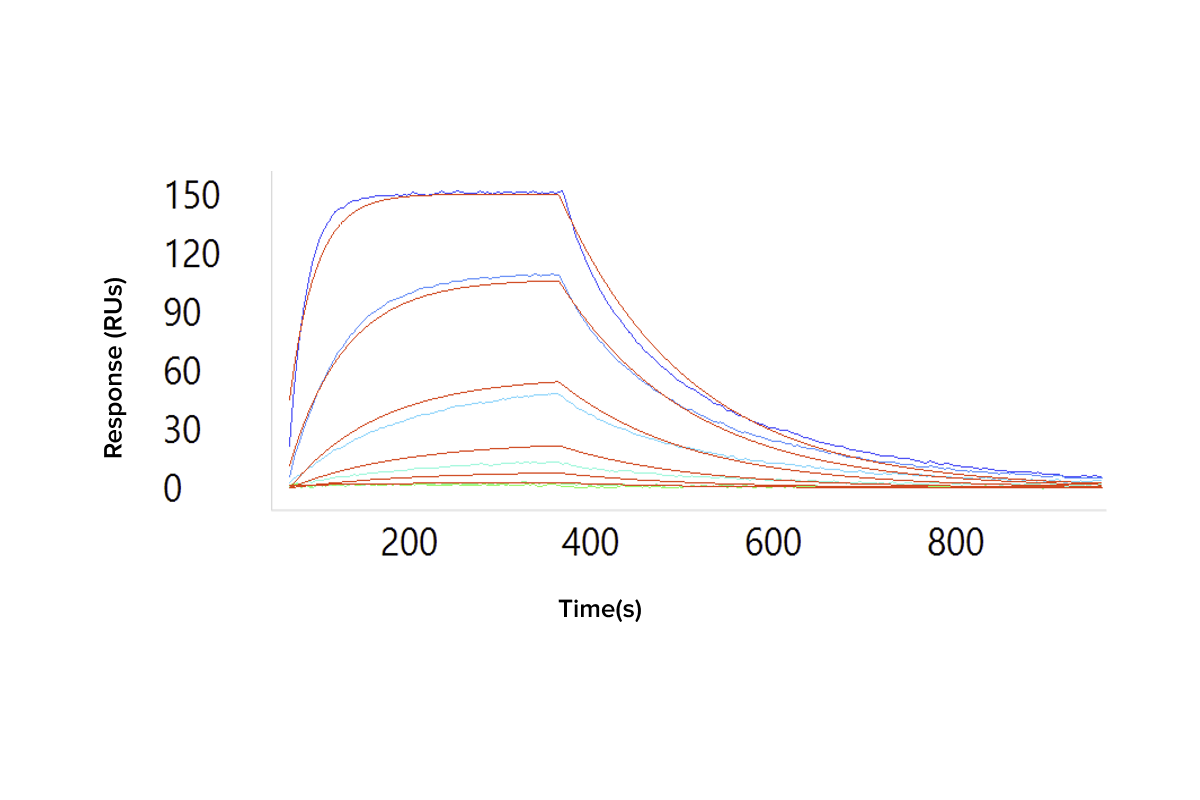
Determine full binding kinetics (ka, kd, KD) for large antibody panels using high-throughput surface plasmon resonance.
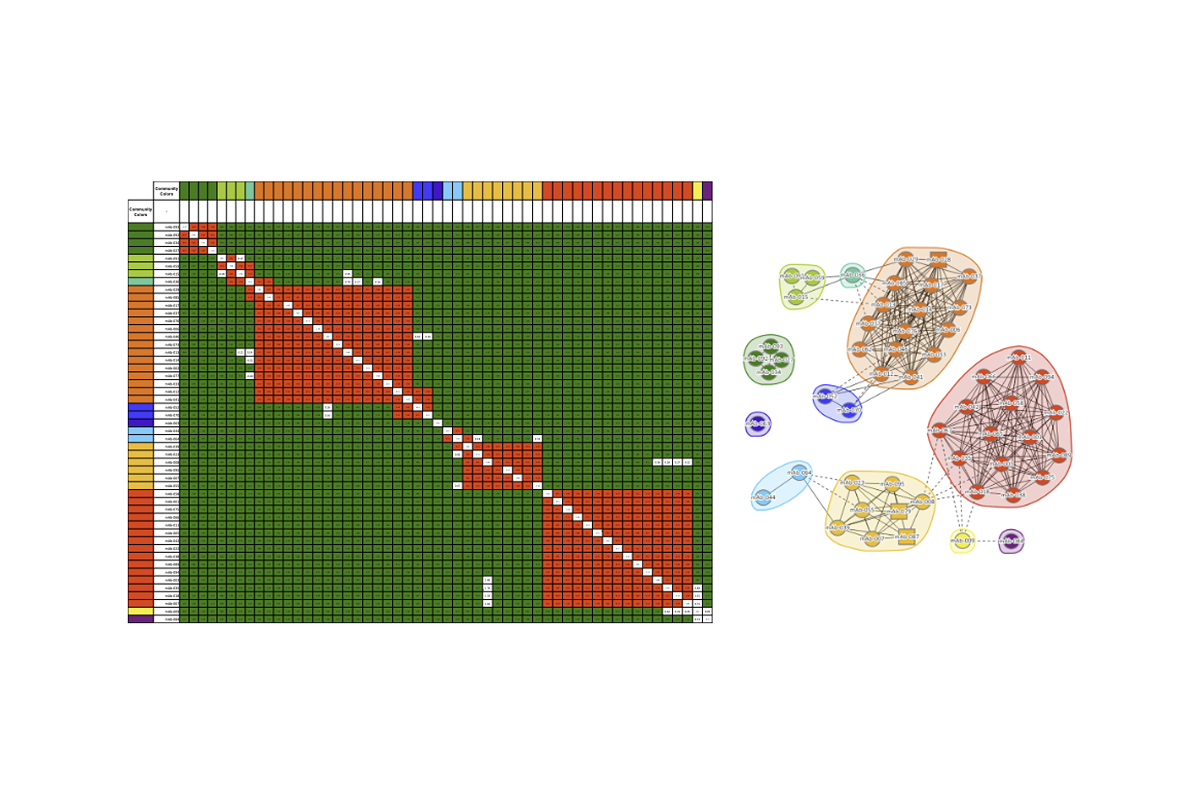
Map competitive binding relationships across large antibody panels to identify epitope families and guide lead selection.
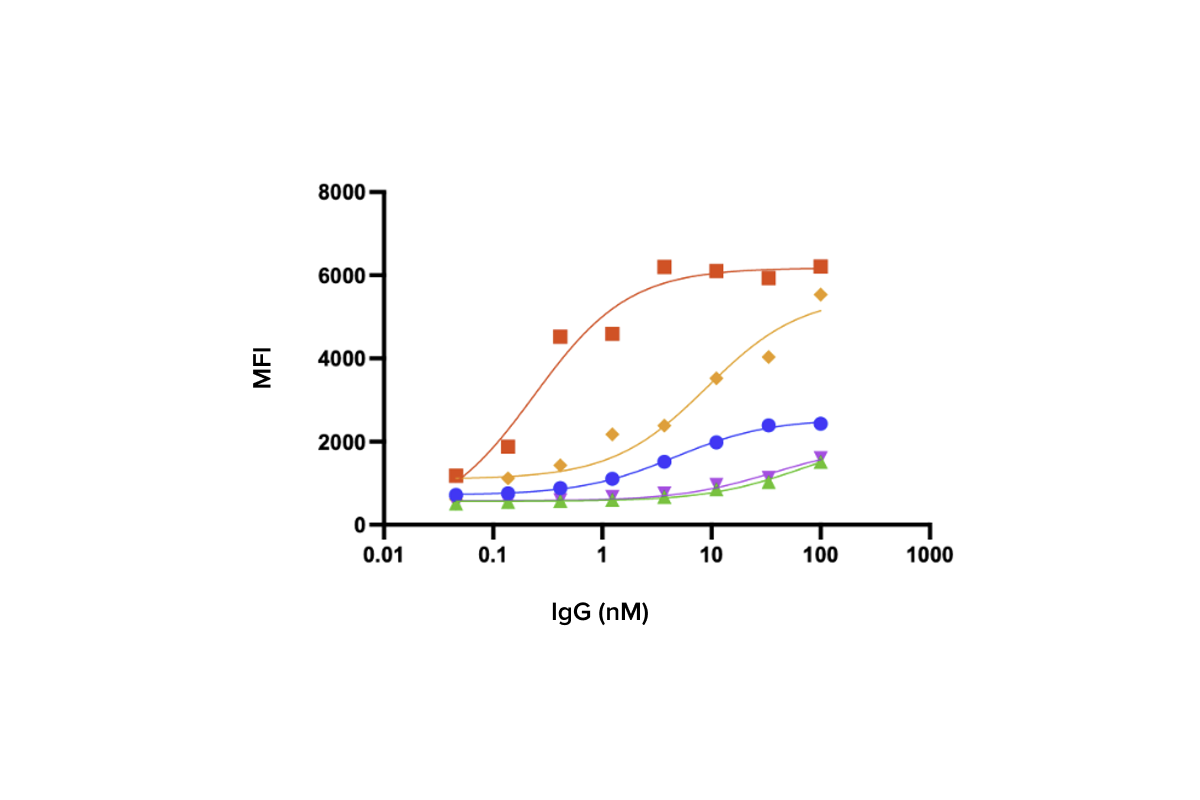
Confirm target engagement on cells expressing native antigen. Generates dose-response binding curves for ranking.
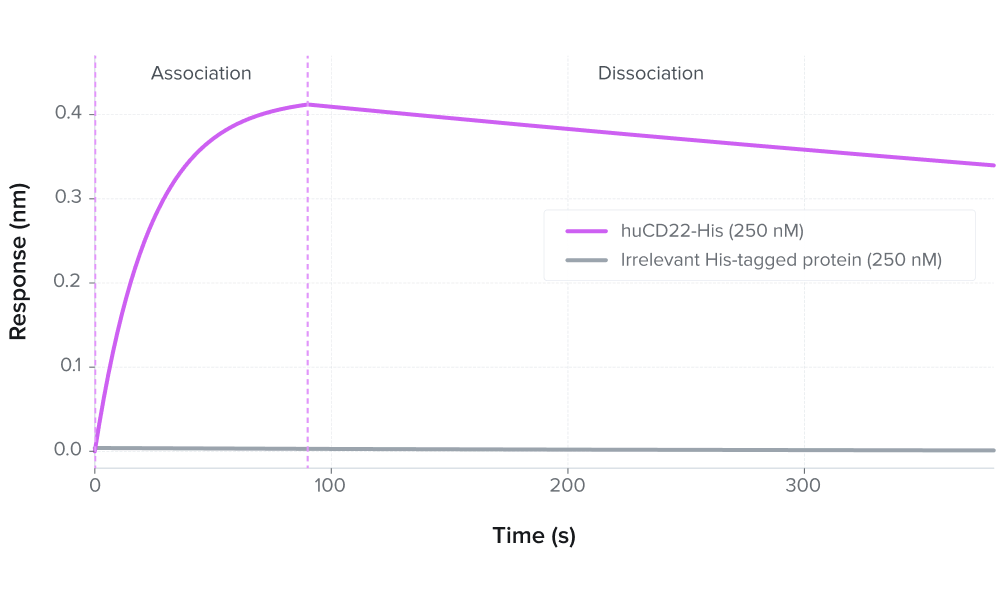
Rapidly confirm target engagement across large antibody panels at a single concentration. Used for early-stage hit triage before committing to full kinetic analysis.
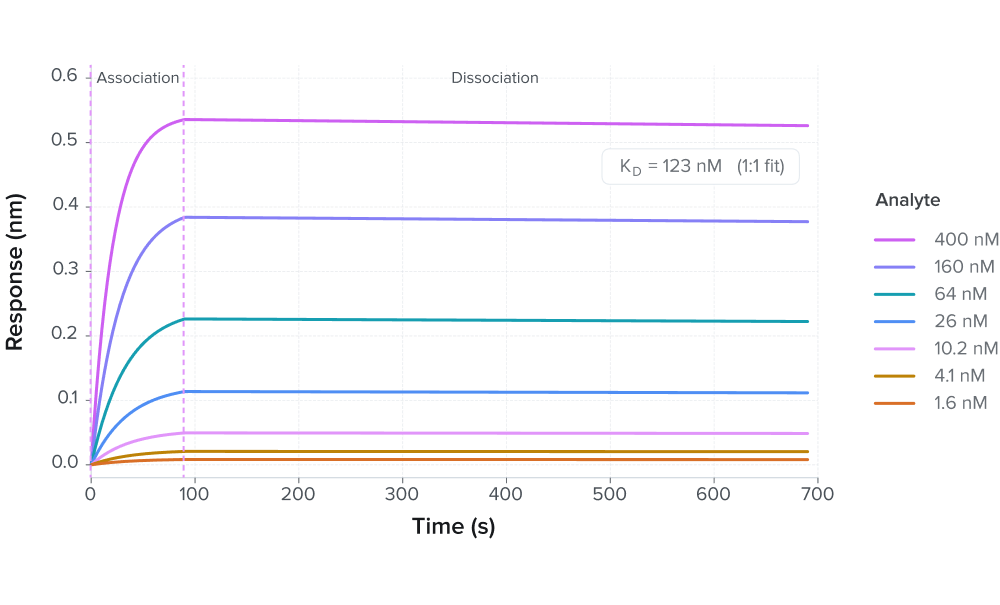
Determine full binding kinetics and affinity constants across a concentration series. Orthogonal to SPR for candidate confirmation or programs where SPR is not suitable.
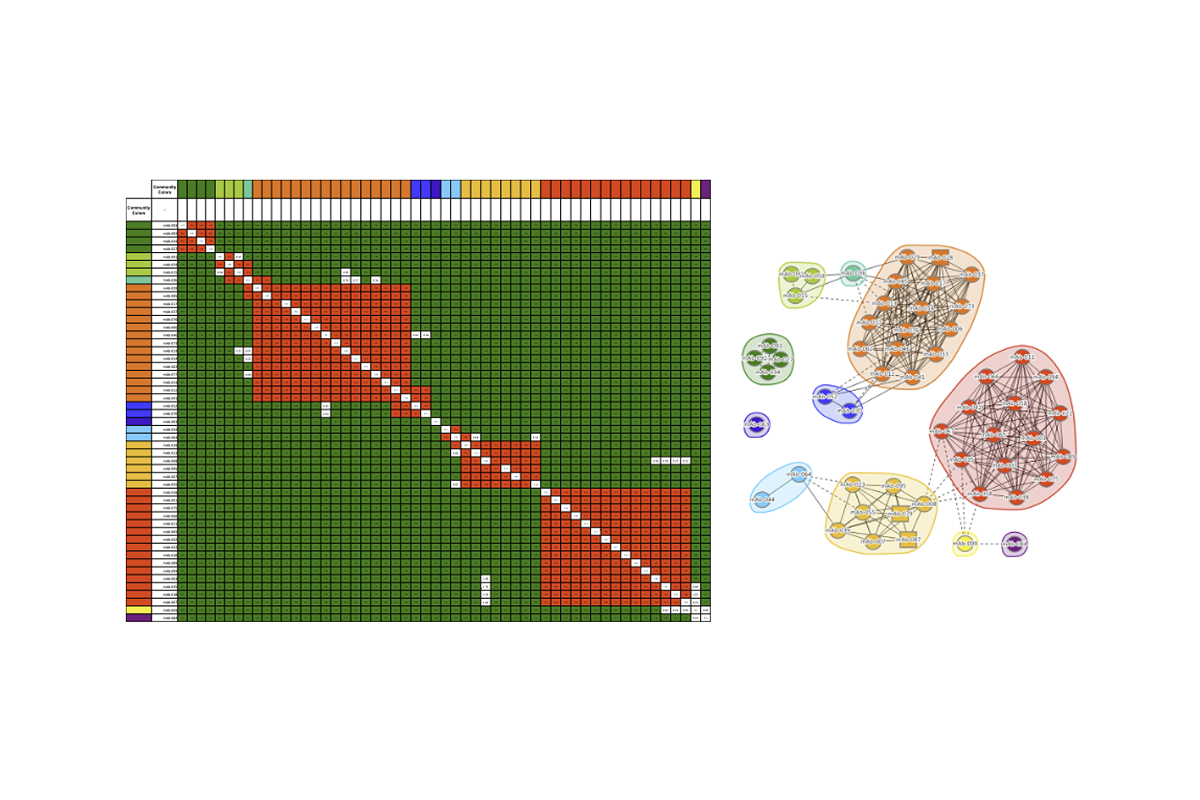
Map competitive binding relationships to identify epitope diversity and guide lead selection. Suitable for panels where SPR throughput is not required.
Pair our high-throughput antibodies and services with a full range of versatile Twist solutions.

Partner with our team of experts to navigate the entire discovery funnel from target to lead.

High-diversity, silicon-synthesized oligo pools designed for high-throughput screening and complex library construction.

Explore vast sequence space with high-diversity libraries where every variant is base-by-base synthesized and NGS-verified to match your design.

Explore vast sequence space with high-diversity libraries where every variant is base-by-base synthesized and NGS-verified to match your design.
Twist supplies clonal gene glycerol stocks from the clonal genes synthesized for antibody production. During antibody production, the DNA is consumed for transfection; however, glycerol stocks are reserved and delivered along with the antibodies post-production. Please see our protocol for preparing fresh DNA from glycerol stocks.
A leader or secretory signal sequence acts as a peptide signal bound by cellular machinery early in the translation process. This allows for the correct localization of the translation complex to the endoplasmic reticulum where the antibody chains can enter into the secretory pathway for protein assembly and secretion from the cell. The leader sequence is cleaved during the protein assembly process and is not a part of the final protein. Twist recommends the following leader sequence for both heavy and light chains when using our pTwist IgG expression vectors as these sequences have been tested and validated with our pTwist vectors in both Expi293™ and ExpiCHO™ cell lines:
VH: MRAWIFFLLCLAGRALA
VL: MRAWIFFLLCLAGRALA
The Kozak sequence directs the pre-initiation complex (PIC) and ribosome to the translation initiation site (start codon) and mediates ribosome assembly ensuring the correct protein sequence is translated.
The consensus Kozak sequence is generally considered as GCCGCCACCATGG, where ATG is the start codon (typically the start of the signal sequence). Twist recommends the version GCCGCCACC upstream of the start codon ATG.
You can use a Protein A or G solid phase to purify, which binds to the FC region of the antibodies, depending on species and isotype of IgG. Alternatively, you can use immobilized antigen (full length or short peptide antigen) to purify the antibodies. The method will depend on the downstream application and specificity of the antibody.
Twist uses the industry standard cell lines, Thermo Fisher Scientific Expi293™ and Thermo Fisher Scientific ExpiCHO™
Customers may select the pTwist CMV BG WPRE Neo expression vector when they would like to use their own Fc region sequence (IgG3, Mouse IgG, or modified Fc) or have another type of Fc-fusion antibody to express.
Please remember to include a stop codon at the end of your coding sequence. If you have any design questions, please email igg@twistbioscience.com for help with your custom request.
Research has shown that C-terminal lysine residues of the heavy chain (present on all IgG isotypes) are cleaved off once the IgG is in circulation. Studies have also shown that there is no functional impact of the lysine once it's cleaved and its presence is actually inhibitory to allowing the antibody to reach full cytotoxicity potential: https://www.ncbi.nlm.nih.gov/pmc/articles/PMC4622059/
This cystein in a full IgG forms a disulfide bond with the LC constant region which is not present in the VHH-Fc fusion construct.
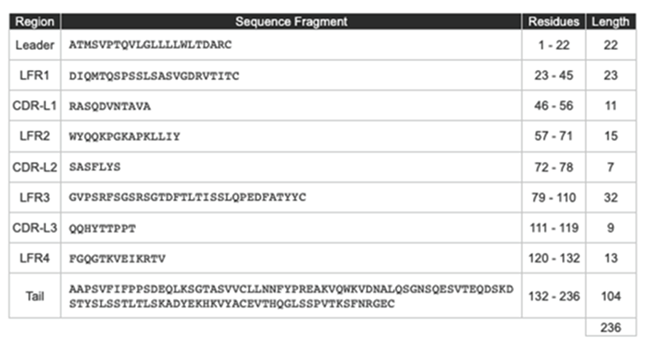
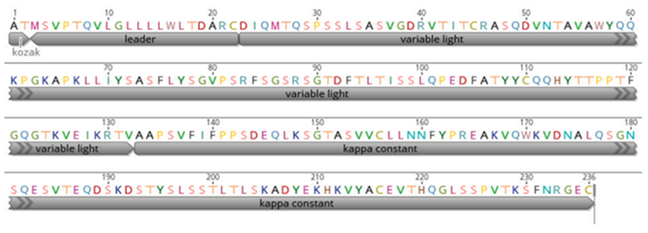
Please ensure you have the following sequence format for uploading variable regions:
Antibodies are typically supplied in standard commercial Phosphate-Buffered Saline (PBS). Depending on your application parameters, you can specify alternative pH preparations—such as PBS at pH 7.4 or custom configurations like PBS at pH 6.0—directly through the portal configuration window.
Final metrics vary based on individual antibody sequence expression characteristics. Standard yields break down across the following parameters:
To ensure seamless compatibility with downstream laboratory automation systems, microfluidics arrays, and fluid handlers, products can be specified in several array configurations:
Collaborate with a trusted scientific partner to guide your project specs. From bespoke data configurations to workflow design, our experts provide the proactive support you need to reduce friction at every step.
Not for Diagnostic Procedures.
*Terms & Conditions: Turnaround time starts at 10-15 business days for 1mL antibody expressed in HEK293 and 13 - 18 business days for 1mL antibody expressed in CHO. 8 mL expression volumes take an additional business day.
Pricing is quoted in U.S. dollars and all turnaround times are based on U.S.-based operations, business days, and service availability. Pricing and turnaround estimates are not guaranteed for international orders and may vary based on location, currency conversion, customs, taxes, duties, local regulations, shipping conditions, and other factors outside our control. Customers outside the United States are responsible for confirming applicable pricing, fees, and timelines before purchase.

Twist Bioscience HQ
681 Gateway Blvd
South San Francisco, CA 94080