

 Poster
 Flyer
Flyer
 Safety Data Sheet

Twist Bioscience HQ
681 Gateway Blvd
South San Francisco, CA 94080
ESHG 2026: Superior uniformity, deeper insights, and the Twist Bioscience NGS advantage
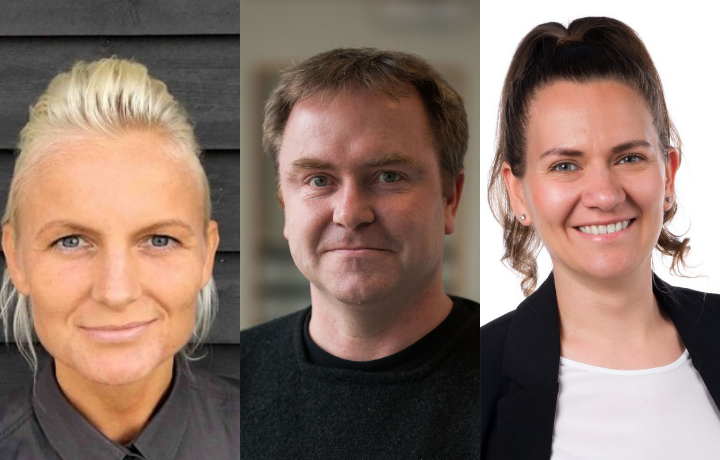
Presented by
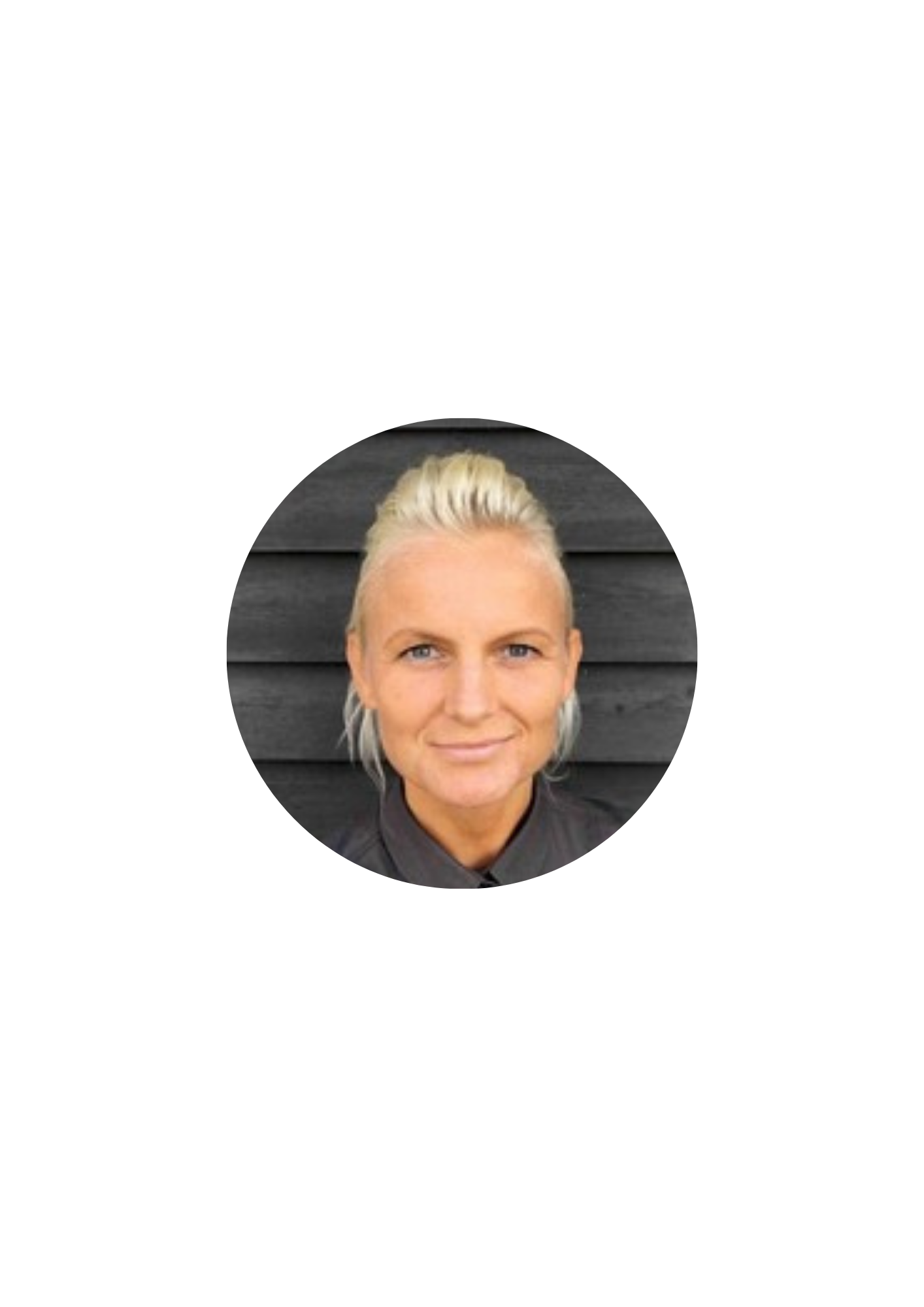
Maria Harbo, Twist Bioscience
Superior uniformity, deeper insights: The Twist Bioscience NGS advantage
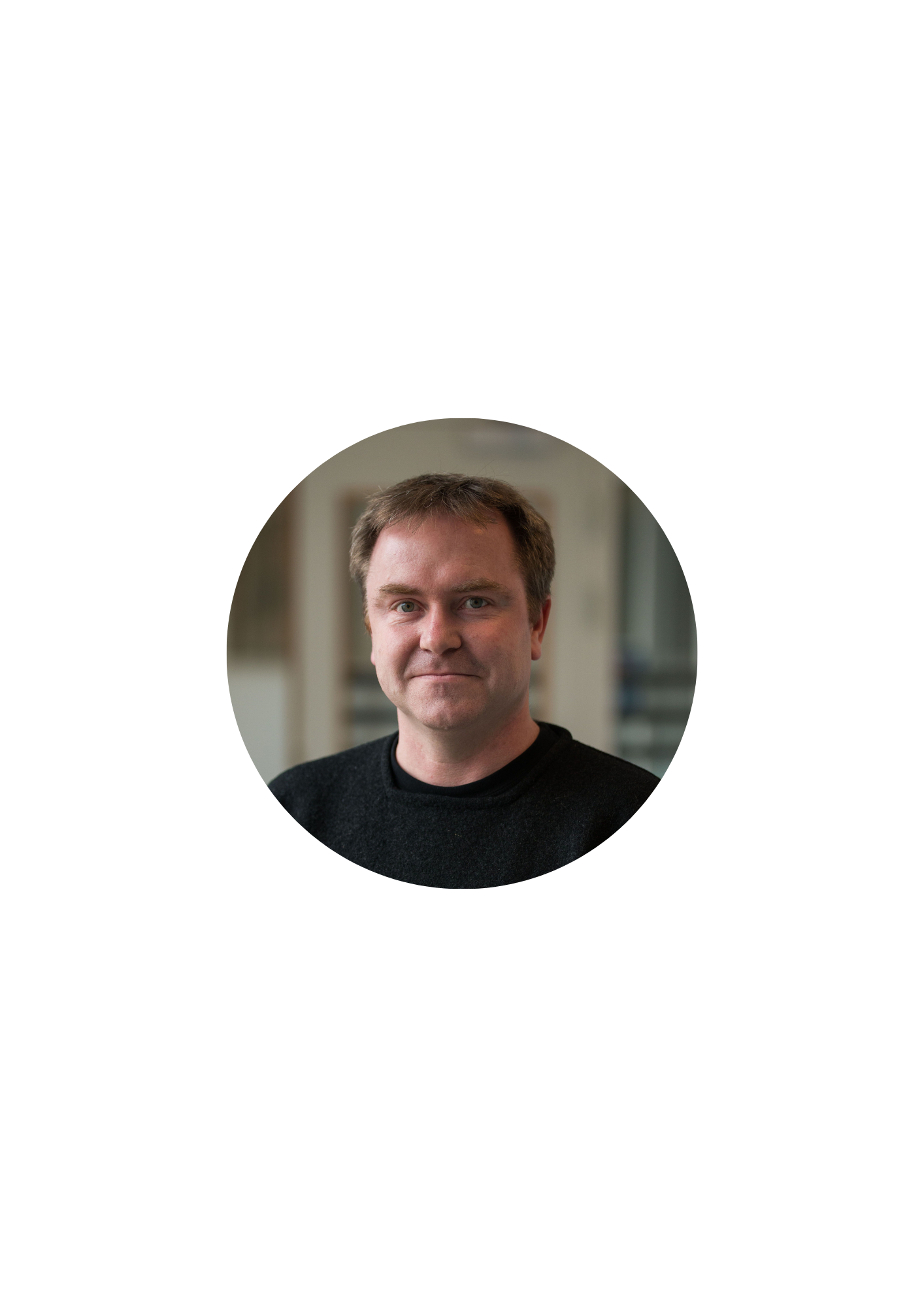
Claes Ladenval, Uppsala University Hospital, Uppsala, Sweden
Inherited cancer diagnostics using Targeted Long- and Short-read Sequencing
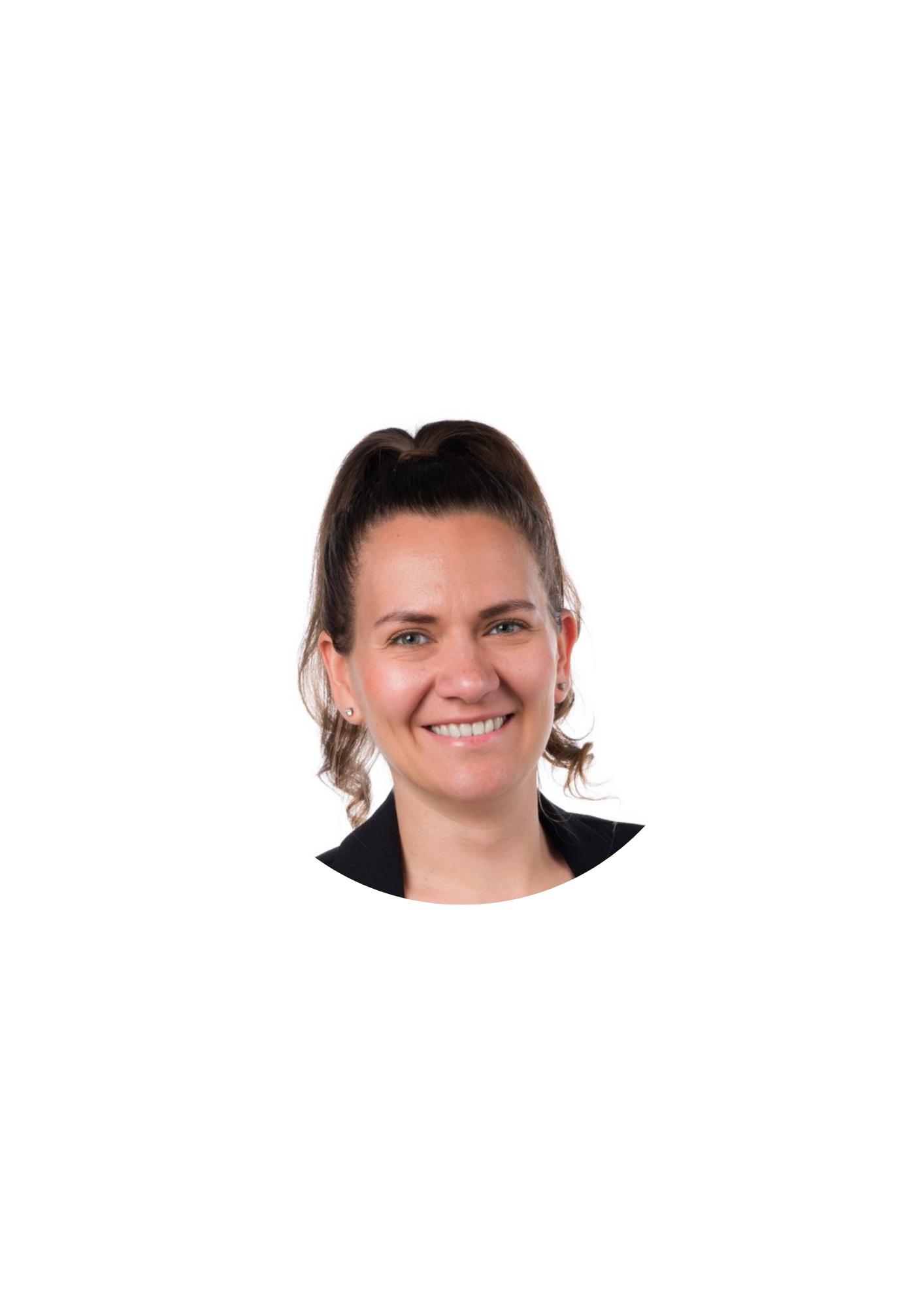
Isabell Schumann, Centre of Medical Genetics, Department of Medical Genetics, Münster, Germany
Sequencing Strategies in Diagnostics Research: A Focus on Twist Technologies.
Covered in this Webinar
Discover how the convergence of precision DNA synthesis and next-generation sequencing is empowering researchers across Europe to redefine the limits of genomic discovery.
Starting with an opening overview from Maria Harbo, PhD, Field Application Scientist at Twist Bioscience, we will explore how silicon-based synthesis technology fundamentally transforms the NGS workflow. This technological foundation is brought to life through the work of two pioneering researchers. Claes Ladenvall, PhD, of Uppsala University Hospital, will share how targeted sequencing strategies - utilizing both long- and short-read data - are being applied to the complexities of inherited cancer diagnostics. Following this, Dr. Isabell Schumann from the Centre of Medical Genetics, Münster, will discuss specific sequencing strategies in diagnostic research, focusing on how these tools enable laboratories to tackle complex genomic questions while significantly reducing sequencing costs.
From unraveling genomic architecture to accelerating the next generation of molecular diagnostics, this session highlights how silicon-based synthesis enables deeper insights with higher efficiency. Join us to see how these innovations are not only optimizing laboratory performance but fundamentally expanding the boundaries of what is possible in genomic research.
Share your details to Watch the Webinar