


 Genes
Genes
 Oligo Pools
 NGS
NGS
 Variant Libraries
 Antibodies
 IVDR Solutions







Engineered amplification that preserves library complexity.
Many PCR enzymes are optimized for single-amplicon tasks (qPCR, cloning) rather than complex NGS libraries.
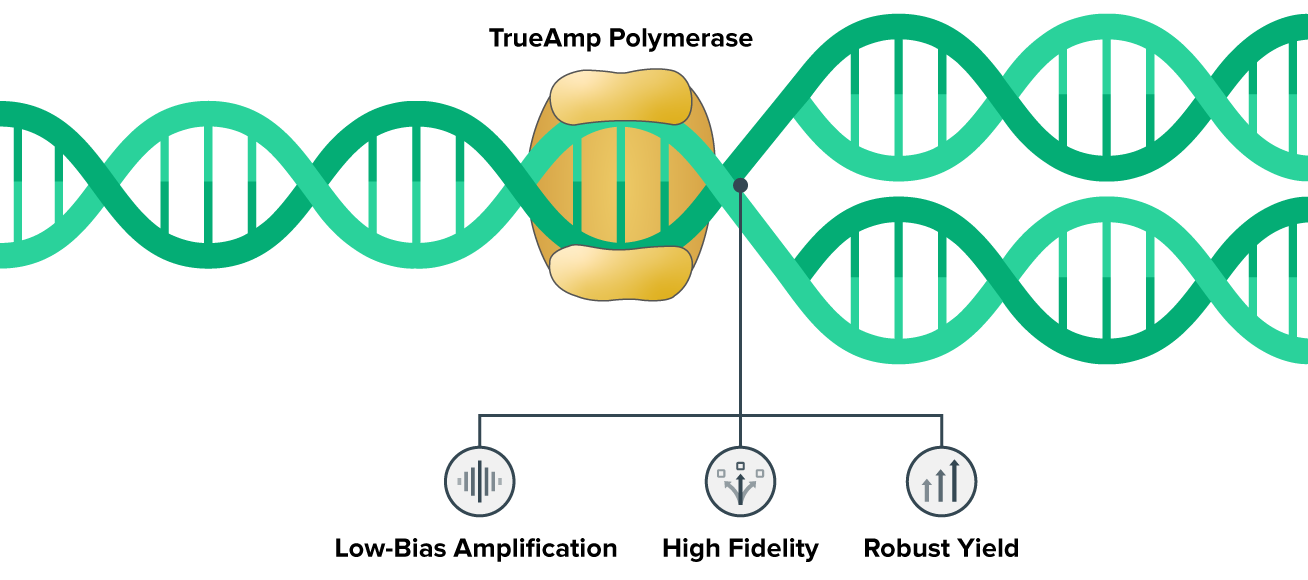
Engineered for NGS library amplification, Twist TrueAmp Polymerase delivers uniform coverage across GC extremes, high sensitivity from low inputs, and automation ready hot start performance.


Many PCR enzymes are optimized for single-amplicon tasks (qPCR, cloning) rather than complex NGS libraries.
TrueAmp changes the approach
An engineered proofreading, high-processivity DNA polymerase that delivers best-in-class GC uniformity, yield, and fidelity for library amplification.
The result
Fewer biases toward short, GC-neutral molecules and more usable data per run.
Key features include
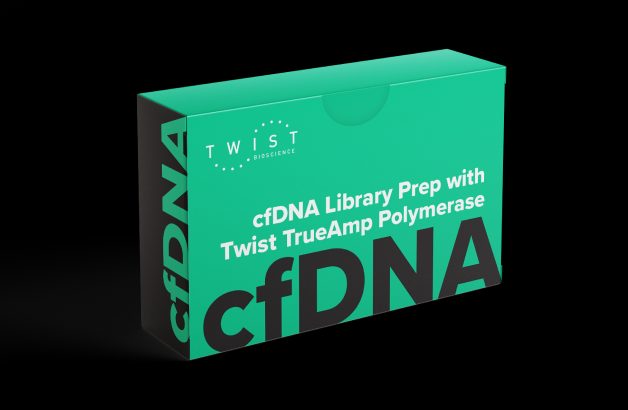
cfDNA with TrueAmp Polymerase Library Prep Kit
Twist's cfDNA with TrueAmp Polymerase Library Prep Kit enables robust performance from low input samples
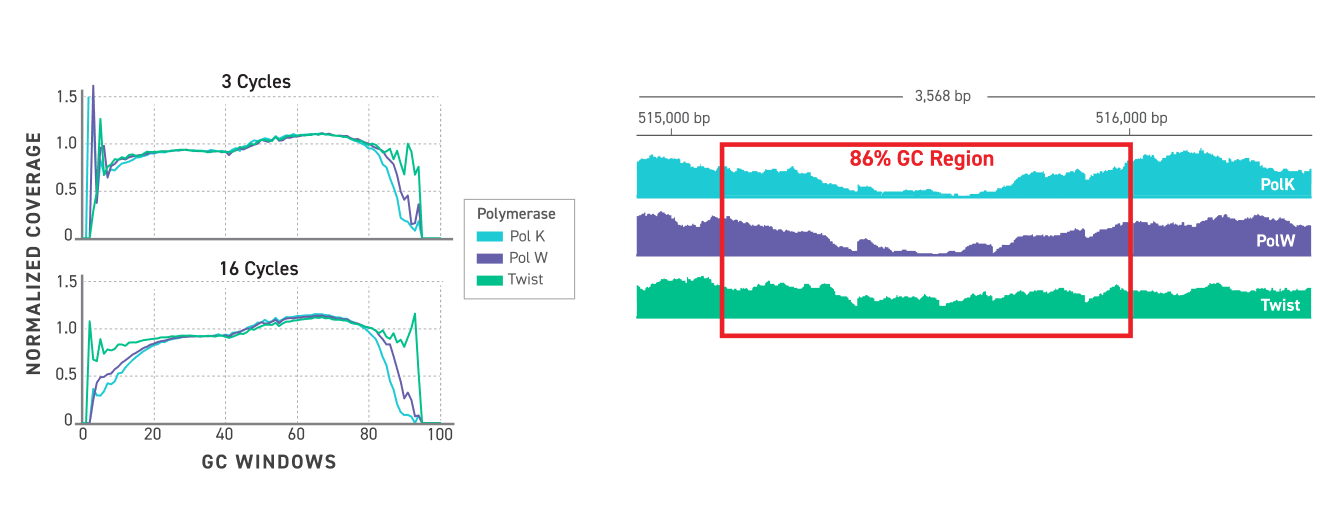
Low bias amplification across GC extremes
TrueAmp sustains coverage where others drop out, improving sequencing economics and preserving difficult targets.
Figure 1: GC-normalized coverage; AT-rich C. difficile and GC-rich B. pertussis.
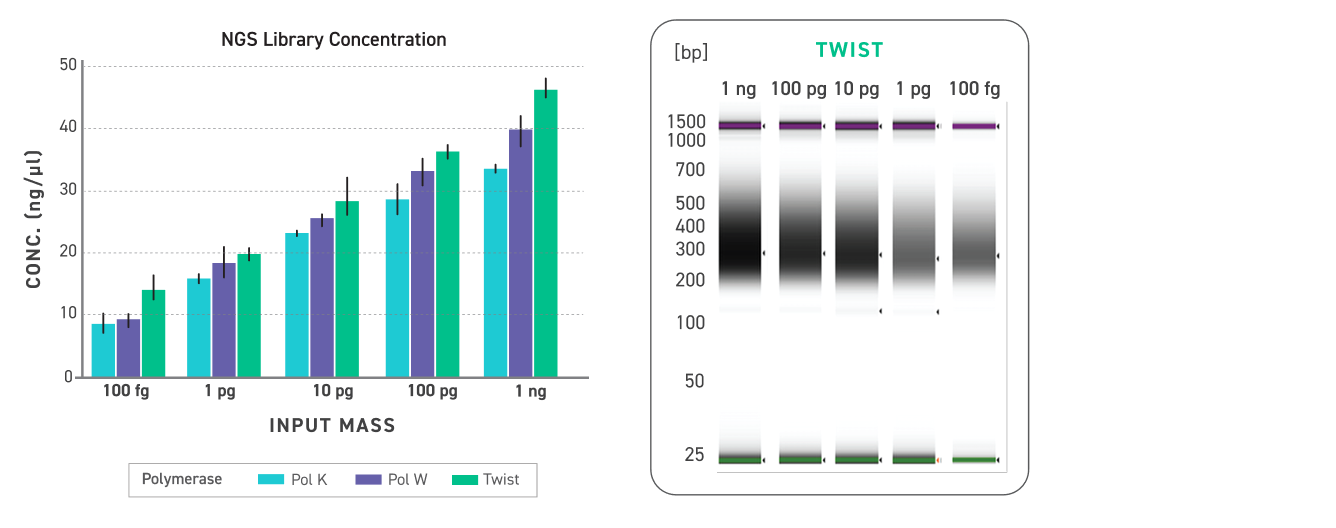
Efficient & robust yields at low input
With improved efficiency, TrueAmp can hit yield targets in fewer cycles, limiting cycle-induced artifacts. It remains robust for low yield libraries typical of post capture PCR.
Figure 2: serial dilutions from 1 ng to 100 fg, Qubit and TapeStation QC.
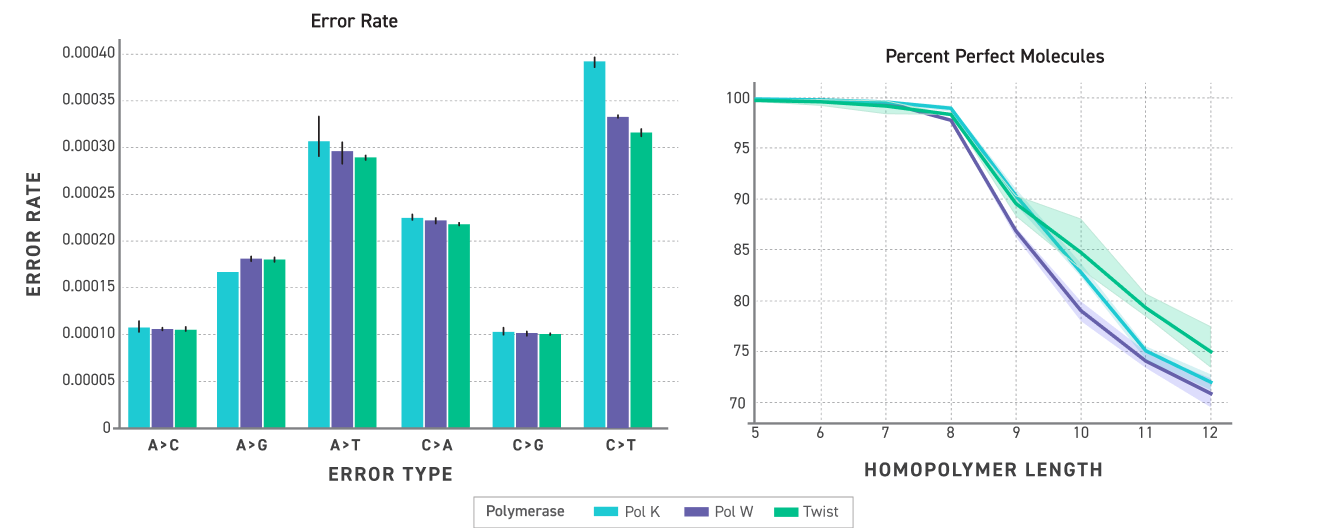
High fidelity & reduced artifacts
An engineered proofreading polymerase reduces C→T misincorporations often caused by cytosine deamination and limits slippage across long homopolymers—critical for sensitive variant detection.
Figure 3: substitution rates after >7M base incorporations; homopolymer readout using Twist clonal plasmids.
Bead Tolerance for Reliable PCR
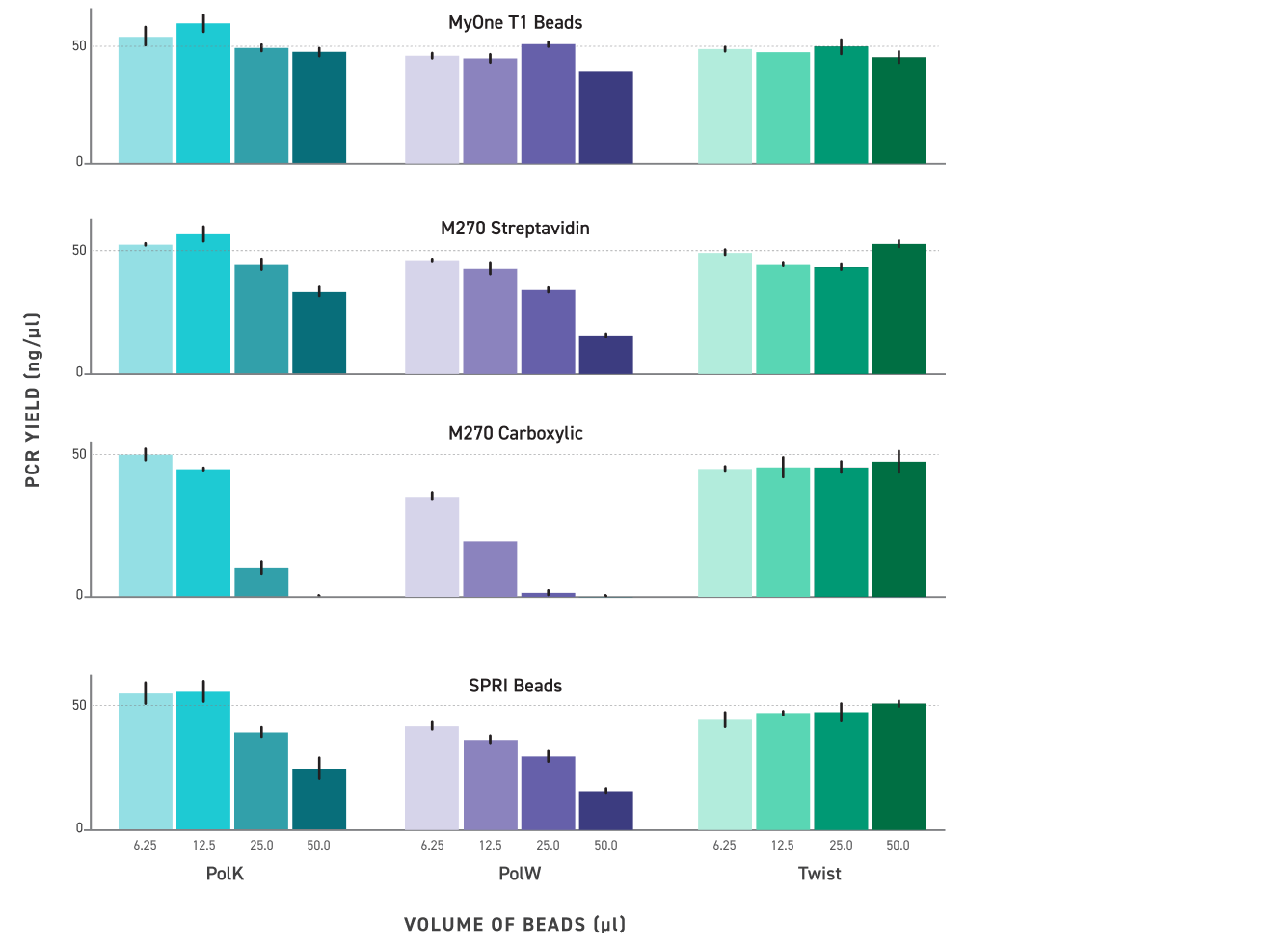
Magnetic beads are widely used for purification and size selection but can inhibit PCR and lower yields. As shown in Figure 4, Twist TrueAmp Polymerase Mix maintains higher sequencing read counts than other polymerases across increasing bead concentrations (6.25–50 μl). This strong bead tolerance simplifies workflows, reduces rework, and ensures consistent data quality.
Figure 4. Tolerance to Paramagnetic Beads During PCR. PCR reactions were spiked with 6.25 μl, 12.5 μl, 25 μl, and 50 μl of MyOne T1 Beads, M270 Beads (Invitrogen), and Twist DNA Purification Beads. Reactions were purified post bead-removal and quantified on Qubit dsDNA Broad Range Assay.
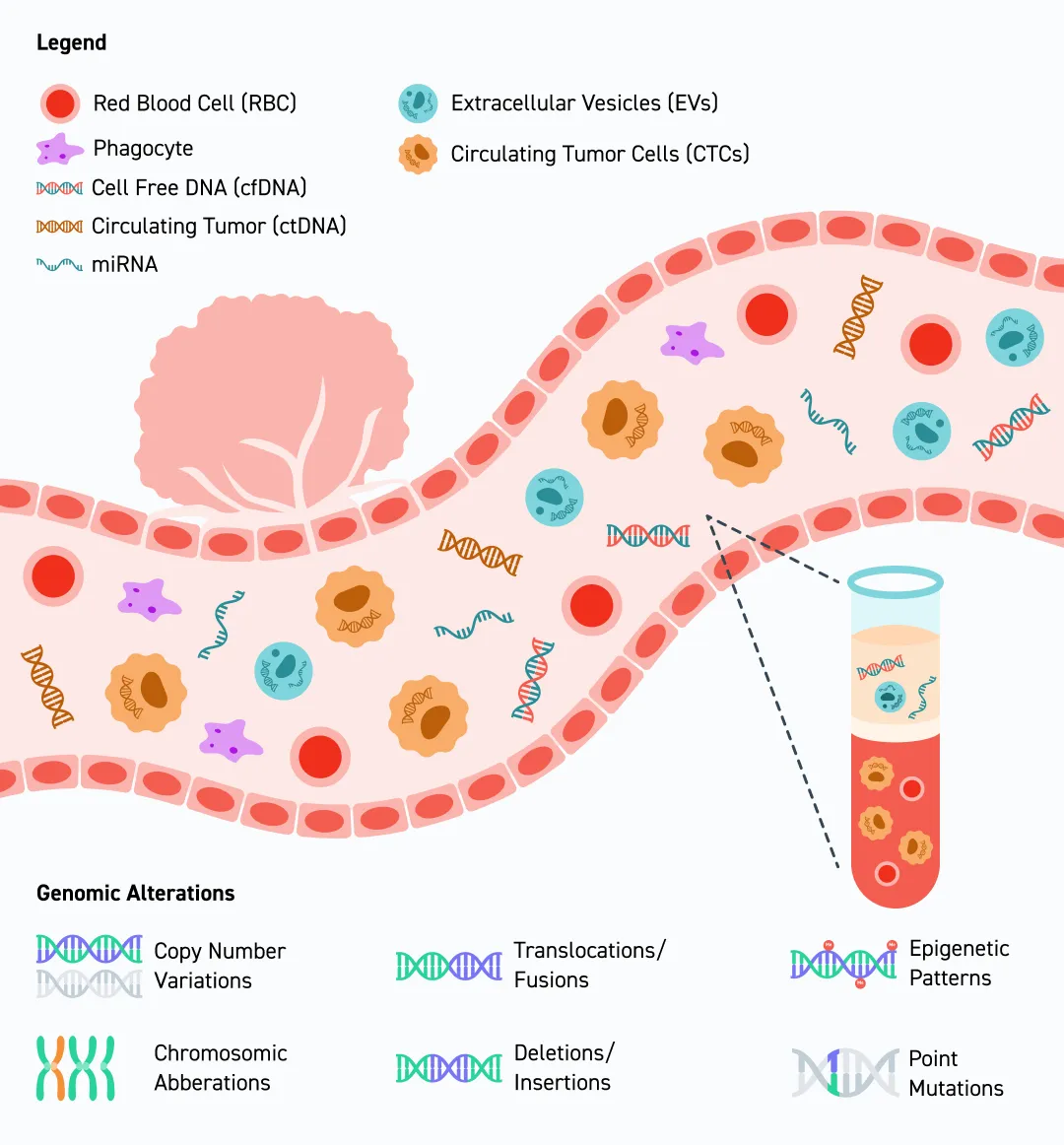
Liquid biopsy enables minimally invasive detection of biomarkers, such as cfDNA and RNA, from blood, plasma, or urine. When combined with NGS, it delivers highly sensitive insight into disease progression from limited, fragmented samples.
Advances in library prep continue to expand detectable biomarkers. TrueAmp Polymerase drives robust yield, low-bias amplification, and high fidelity for low-input cfDNA inputs, helping maximize usable data for these workflows.
Take the next step.
Learn more about the benefits of cfDNA Library Prep with TrueAmp Polymerase for low-input liquid biopsy research.

Twist Bioscience HQ
681 Gateway Blvd
South San Francisco, CA 94080